

Summary
Discover how digital, zero-cost employee benefit models are reshaping workplaces in India, helping employees access technology responsibly while enabling HR and finance teams to deliver value without extra cost.
Rethinking the Meaning of Employee Benefits
The meaning of employee well-being has evolved rapidly in India’s modern workplace. Salary and healthcare are no longer the only indicators of a company’s care. Employees now expect financial wellness to be part of their benefits, especially when the cost of living and the pace of technological change continue to rise.
Forward-looking organizations are responding with smarter, more flexible perks that strike a balance between convenience and accountability. One of the most promising innovations in this space is the Employee Purchase Program, a structured, zero-cost model that blends technology with financial wellness.
The Hidden Stress Behind Everyday Financial Decisions
For a growing segment of India’s workforce, purchasing a laptop or a premium smartphone is not a luxury but a necessity. Yet, for most salaried employees, these expenses often lead to credit card debt, high-interest EMIs, or delayed purchases. Deloitte’s financial wellness study reveals that more than 73 percent of Indian employees experience financial anxiety due to short-term affordability challenges. Such stress directly affects focus, retention, and morale. An employee who struggles financially may also be less productive and less likely to stay long-term. The new generation of HR leaders now recognizes that financial stability and workplace engagement are closely intertwined.
Moving from Company-Funded to Company-Enabled Benefits
Traditional benefits such as reimbursements or allowances are often costly to sustain and complex to administer. They require manual validation, expose companies to policy exceptions, and do little to promote responsible financial behavior. The shift today is toward employer-enabled access, where the company facilitates the benefit but does not bear its cost. The Employee Purchase Program (EPP) is a perfect example of this evolution. It allows employees to buy high-end devices through payroll-linked deductions, without upfront payment or credit checks.
This structure provides multiple advantages. Employees access what they need, companies maintain zero liability, and the entire process is fully compliant with payroll and taxation norms. Since payments flow through the payroll system, deductions are transparent and auditable, aligning with Indian accounting and compliance frameworks such as the Payment of Wages Act and the Income Tax Act.
For eligible employees, device purchases under such structured programs can also offer potential tax benefits, primarily when classified under professional tools or work-related allowances as part of a broader compensation structure.
Smarter benefits do not have to mean higher costs.
See how enterprises are enabling access, not funding it.
Digital Design that Simplifies Everything
The real power of such programs lies in their digital administration. A technology-driven platform automates employee enrollment, product selection, and deduction tracking. It minimizes human error, ensures data security, and keeps HR and finance teams focused on strategy rather than paperwork. Employees can browse available devices, choose models that suit their needs, and complete the process entirely online. Payments are automatically deducted from payroll, ensuring accountability and convenience. For organizations, digital dashboards provide visibility into participation rates and program outcomes. This automation also aligns with India’s push toward digital governance and compliance. Integrating payroll-linked deductions with frameworks like Bharat Connect ensures transparency and accuracy in financial transactions.
Digitize employee perks effortlessly.
Discover automated solutions to cut admin time by half.
Linking Financial Wellness to Employee Retention
India’s competitive job market presents a continuous challenge to retention. Replacing a mid-level employee can cost up to 60 percent of their annual salary, including recruitment and training expenses. Employees who feel financially supported tend to stay with the organization longer and perform better. By enabling access to affordable technology, organizations create a sense of trust and belonging. A structured, payroll-linked program communicates that the employer understands real-life challenges and is willing to offer solutions that make everyday living easier.
Consider a mid-sized IT firm in Bengaluru that introduced an Employee Benefit Purchase Program for its staff, enabling them to acquire laptops and smartphones at corporate rates. Within months, employee satisfaction scores improved, and voluntary attrition rates decreased significantly. The company achieved this without increasing HR budgets or creating administrative strain.
Responsible Access in Action
Here is how a typical Employee Purchase Program works in practice.
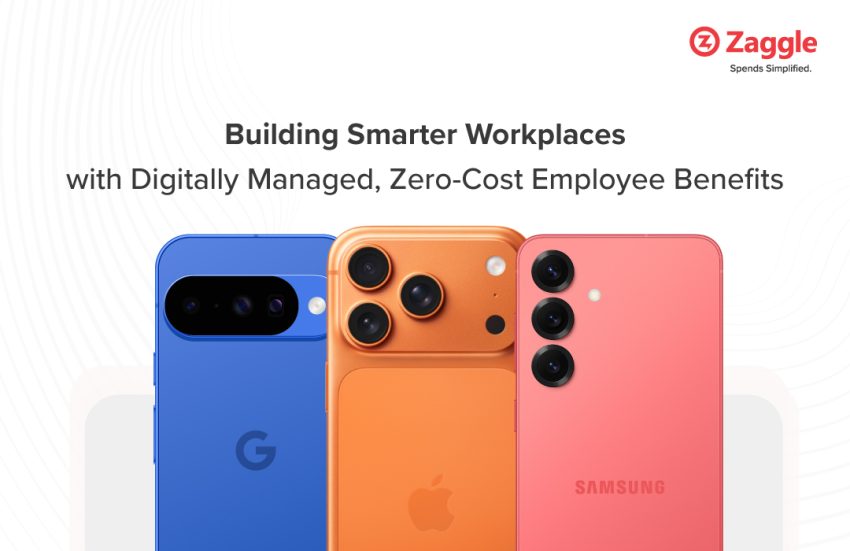
- For employees, it offers access to premium devices such as Google Pixel, iPhone, or Samsung models at discounted prices without any upfront payment. Payroll-linked deductions make repayment predictable and straightforward.
- For companies, it eliminates the need for reimbursements or approvals. HR and finance teams get digital control, and participation can be easily monitored through centralized dashboards.
- For partners, collaborations with authorized distributors such as Google’s partner Redington ensure genuine products, warranty, and easy replacement options.
The model encourages financial discipline among employees while creating a scalable, policy-aligned system for employers.
Simplify employee purchases with a compliant, digital-first solution.
Zaggle’s EPP+ and the Indian Workplace Advantage
Zaggle’s Employee Purchase Program, known as EPP+, builds upon these principles to create a comprehensive, India-focused solution. Designed as an employer-enabled and zero-cost platform, it automates every step of the process and integrates seamlessly with existing payroll systems. By partnering with leading distributors like Redington and technology brands such as Google, Apple and Samsung, EPP+ ensures reliability and transparency. It allows organizations to offer an attractive, fully compliant employee benefit that contributes to both engagement and digital enablement.
Zaggle’s digital-first design ensures adherence to India’s taxation and compliance standards while making administration effortless for HR teams. For employees, it translates into financial ease, tax clarity, and access to quality devices without debt or risk.
Modernize your employee benefits strategy.
Utilize a zero-cost model for digital workplaces.
The Way Forward for Smarter, Zero-Cost Workplaces
Financial empowerment is now an integral part of business strategy, not just an HR culture. As Indian enterprises continue to balance cost efficiency with employee satisfaction, zero-cost, digitally managed perks represent a sustainable way forward. By facilitating access rather than funding it, companies can build a culture of shared responsibility and trust. The result is a more thoughtful, compliant, and more engaged workplace where employees feel supported and organizations stay financially lean. Zero-liability, payroll-integrated benefits, such as the Employee Purchase Program, are poised to become an integral part of India’s next wave of workplace transformation.


